
MBP Intelligence
The Source for Exclusive Policy Insights


Read Our Latest Posts
Latest Posts

MBP Intelligence examines the state of the Canadian housing policy landscape, and asks what’s working and what’s missing right now. Today, MBP Intelligence examines the contemporary housing policy landscape in Canada. All our contributors agree and acknowledge the scale and seriousness of our housing crisis, but offer different

When forced to choose between affordability and climate policy, voters prioritize affordability. Emissions reduction policy has to be designed with this in mind. Key points: * The Trump threat has forced the Carney government to shift course from the Trudeau era on many fronts, and nowhere is this clearer than on
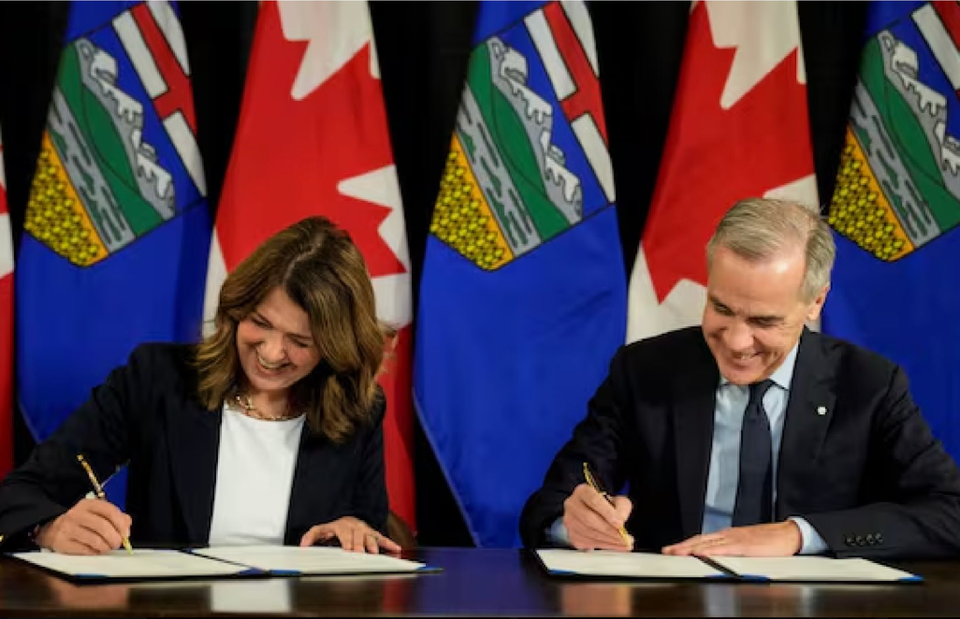
After last week's announcement of a Memorandum of Understanding (MOU) between the Federal government and the Government of Alberta, we assembled the MBP Intelligence team to break down what it all means. Today: * MEREDITH: The MOU’s success or failure lies in clean power * BOESSENKOOL: MOU leaves open

The Canada Development Investment Corporation is becoming a Crown Corporation, and the way it operates is going to change. This matters for companies and financial negotiations with the federal government. Key points: * In the past, CDEV operated largely out of sight, and this was by design. It operated as a

British Columbia is a key player in pipeline politics, so what does this mean for David Eby and his province? Key points: * Despite opposing the removal of the tanker ban, the Eby government is aggressively pursuing large-scale resource development, including LNG and critical minerals, coupled with regulatory reforms. * The

Tearing down interprovincial barriers may be all the rage, but provincial level barriers actually serve some important roles in local and distinct provincial economies Key Takeaways: * Interprovincial trade barriers can be a necessary tool for provinces to nurture nascent local industries, create jobs, and foster long-term economic development, even

In exclusive MBP Intelligence polling done with Pollara, we found that the vast majority of Canadians still need persuading on national interest projects Key Points: * Most Canadians do not fall into the decisive “Builders” or “Process Followers” categories, they are instead “Persuadables” who sit in an uncertain and fluid middle.

“Get government out of the way” and the case for bold pro-market reforms will remain his calling card Key Points: * Poilievre is now repeatedly and consistently using “get government out of the way” to make the case for pro-market reforms, and to present his alternative vision for governance.

Don’t expect a grand bargain, instead expect a long dance Key Points: * A quick "Grand Bargain" between Alberta and Ottawa is unlikely. Instead, expect a "long dance" where Alberta may eventually accept a rising industrial carbon price. * Any significant agreement, particularly regarding pipeline projects, is